Fisherman's Bastion
Landmark
About the Experience
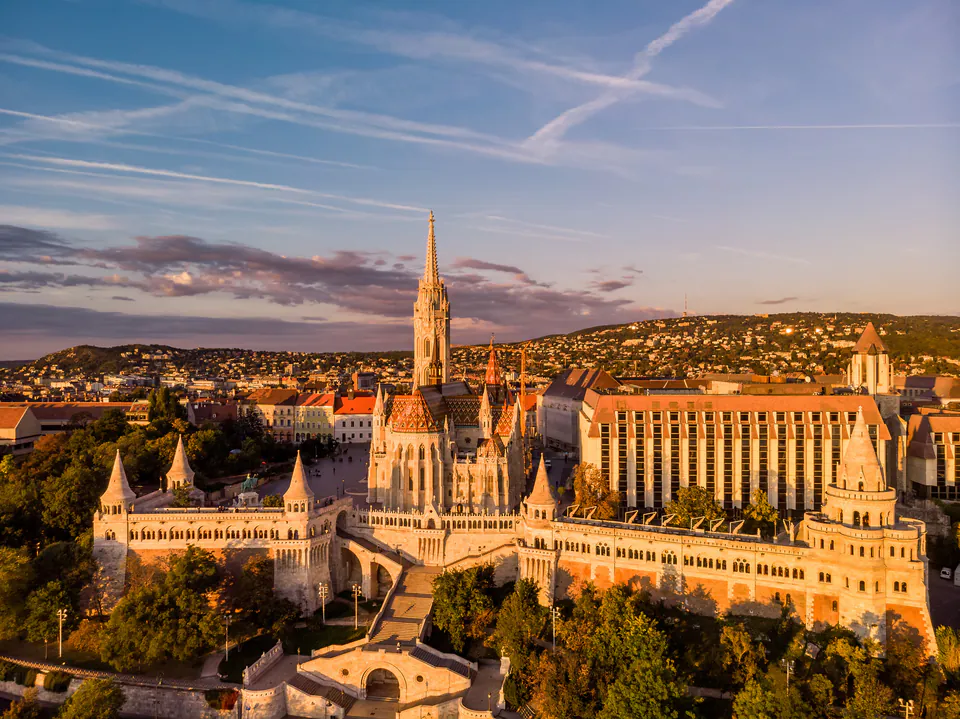
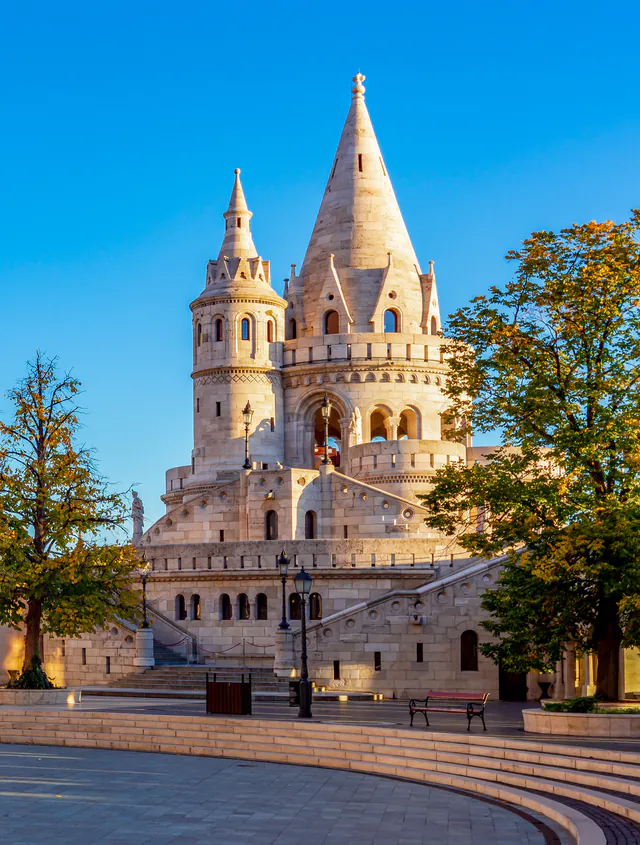
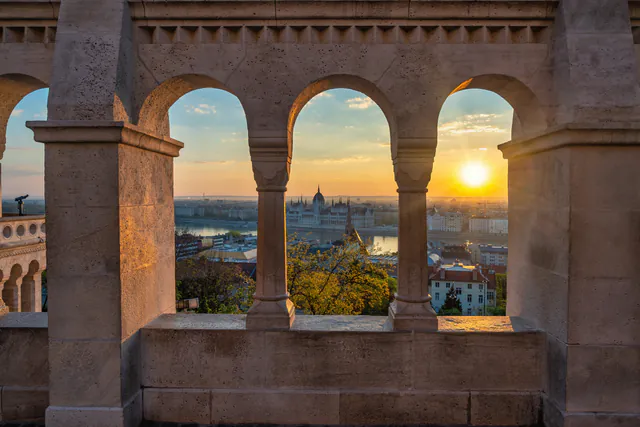
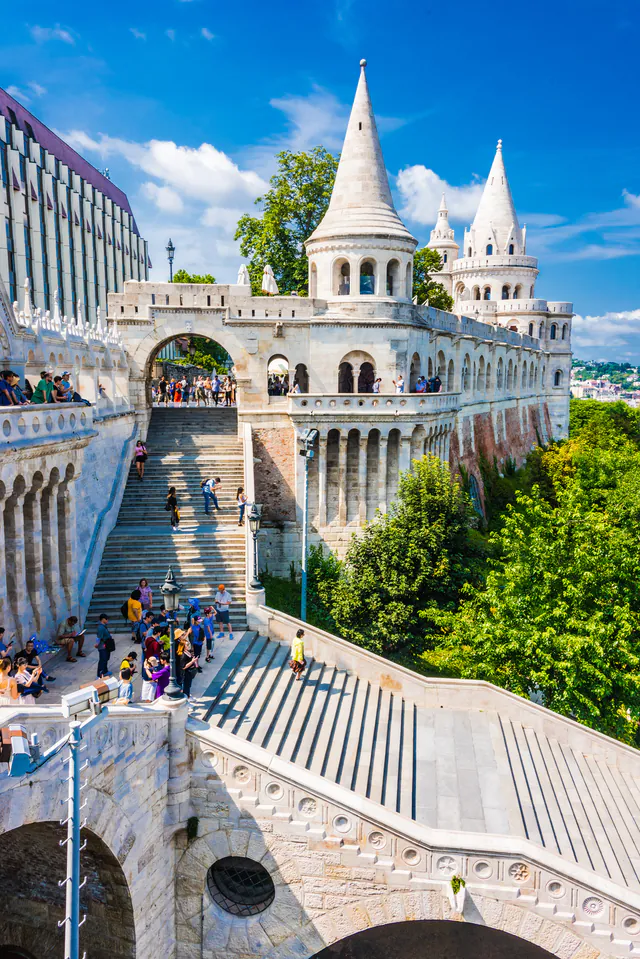
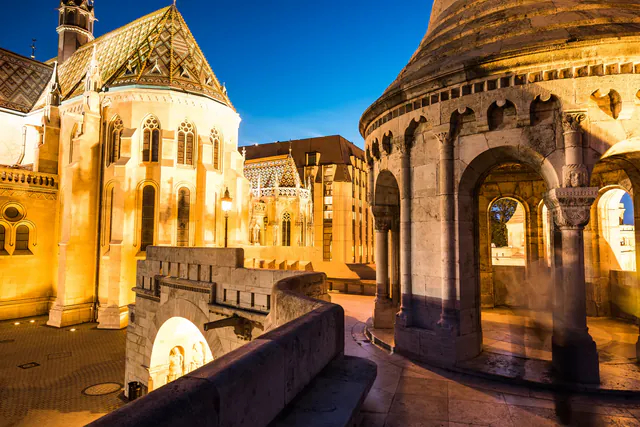
Perched on the edge of Castle Hill like a fortification from a storybook, the fisherman's bastion in budapest is easily the city's most photogenic landmark. This gleaming white structure was never intended for war. Instead, it was built as a decorative viewing terrace. The Neo-Romanesque architecture frames a 180-degree sweep of the Danube with Parliament lit up gold on the opposite bank. Seven playful turrets and a winding series of staircases create a space that feels like a stage set. You'll find it 140 meters long, stretching across the hillside to offer a constant, wide-angle look at the Pest skyline. From the arches of the lower arcade, you can spot Margaret Island to your left and the Gresham Palace dome to your right. It's a place for light, shadow, and the best views in the country.
Photos
History & Significance
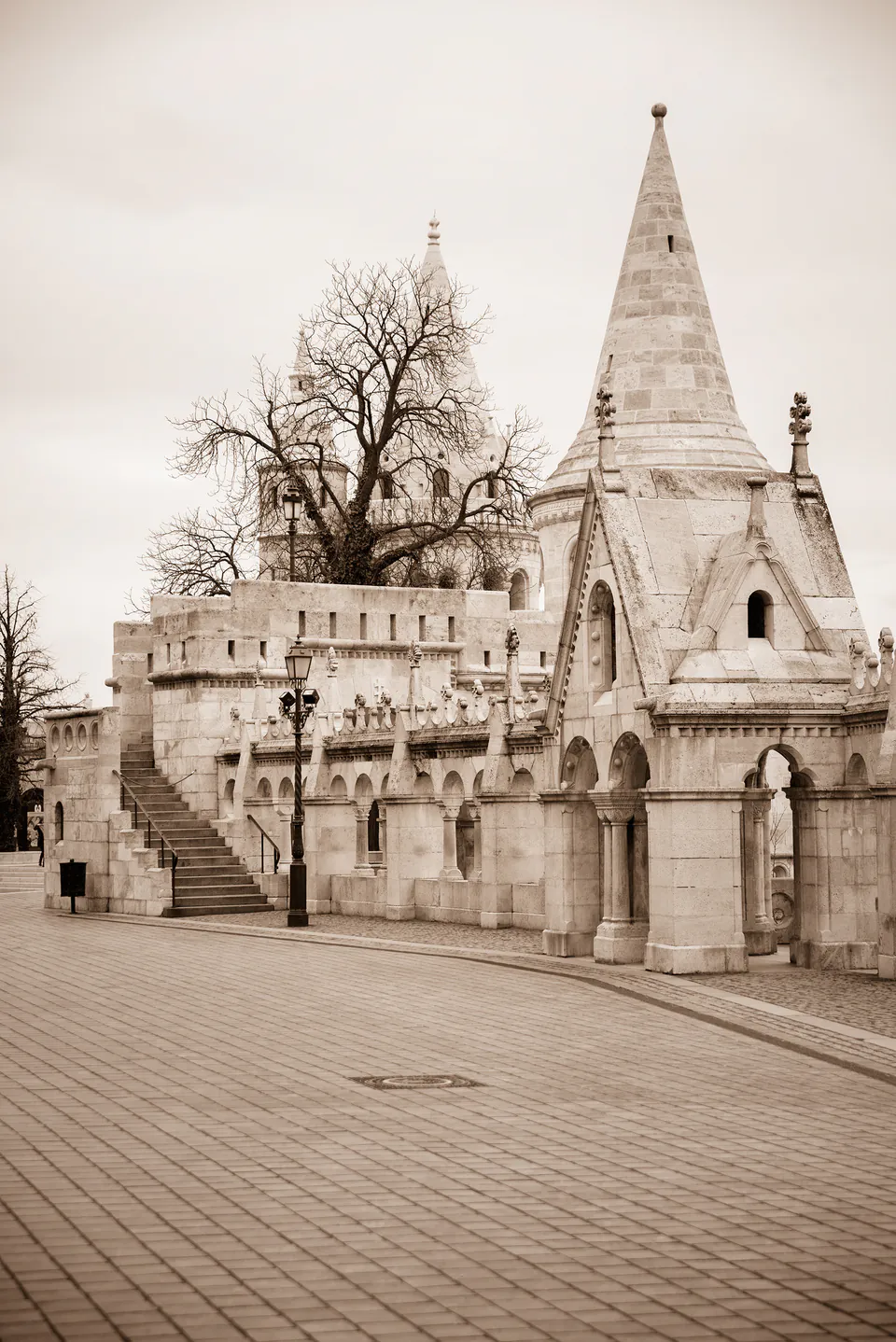
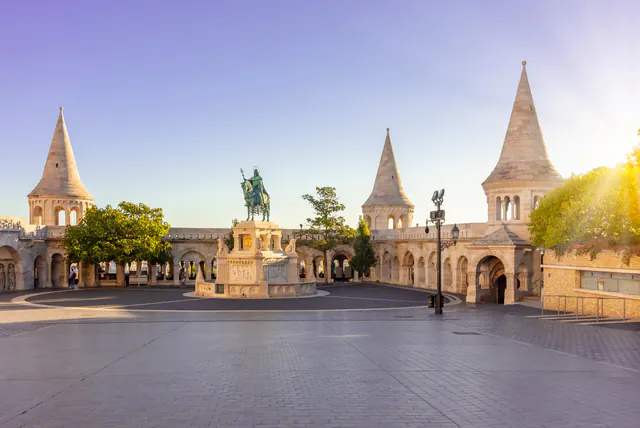
Don't let the medieval look fool you. Fisherman's bastion budapest history only dates back to the project's start in 1895. Architect Frigyes Schulek designed it to celebrate the 1,000th anniversary of the Hungarian Conquest. Those seven stone towers represent the seven Magyar chieftains who led their tribes here in 896 AD. The name itself is a nod to the Middle Ages. Back then, a fish market sat nearby and the Guild of Fishermen defended this part of the castle wall. World War II bombs battered the stone, but János Schulek (the original architect's son) led a full restoration. It joined the UNESCO World Heritage list in 1987 as a core piece of the Buda Castle Quarter.
The Architecture
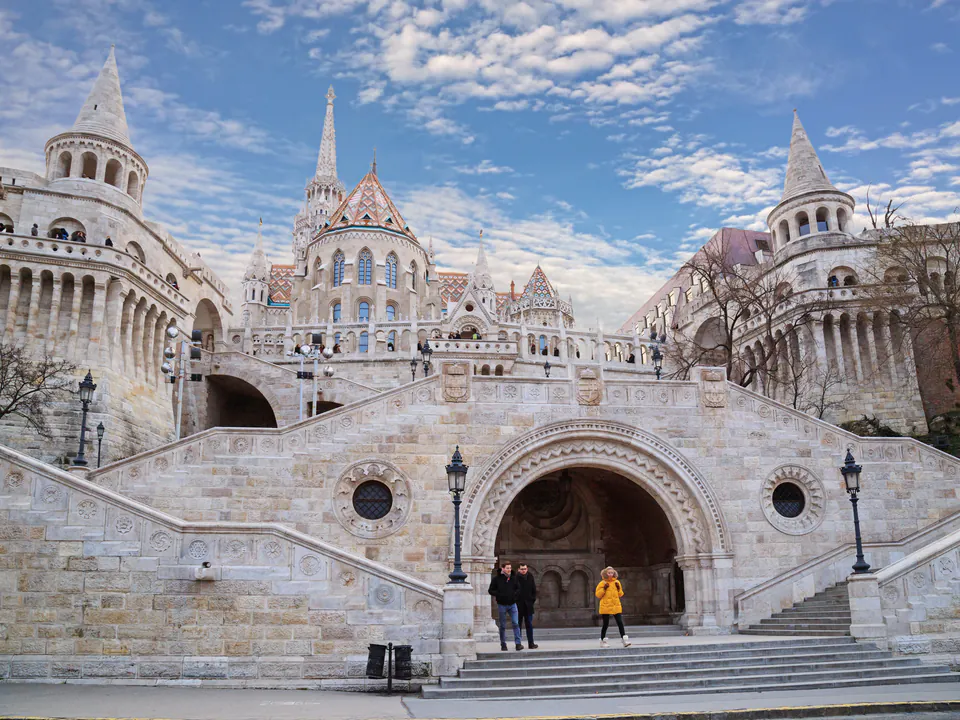
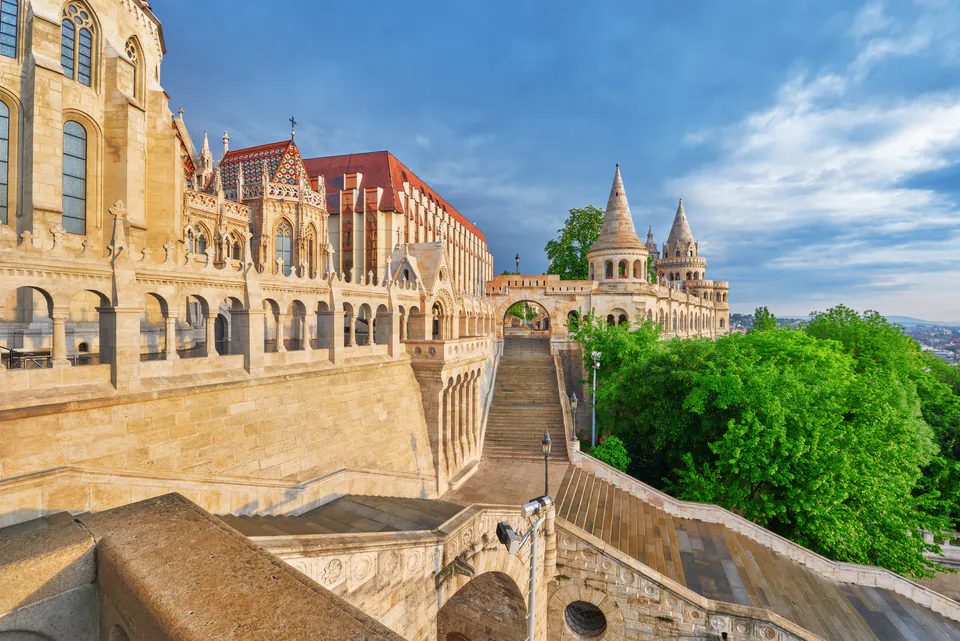
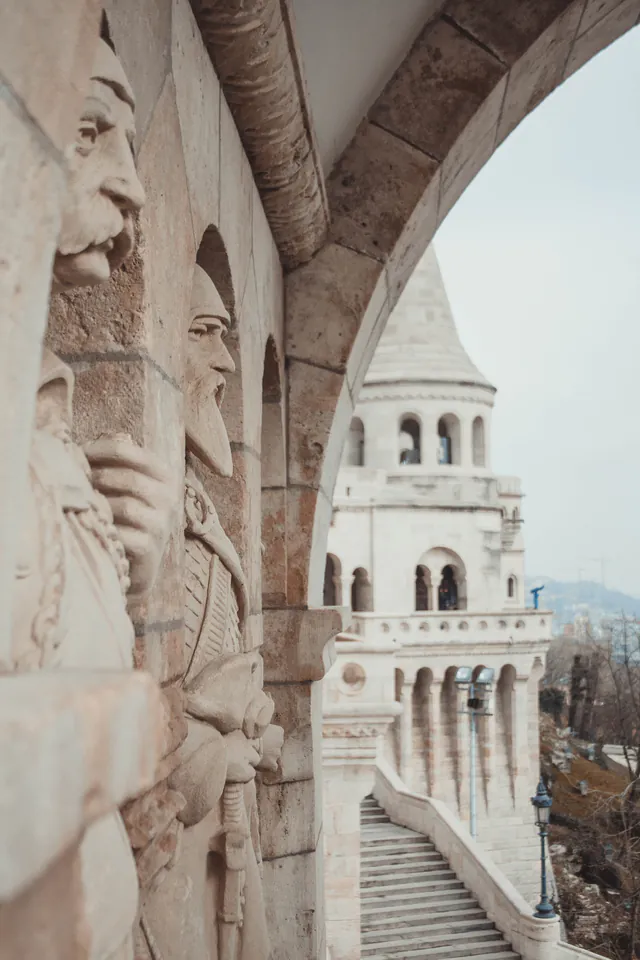
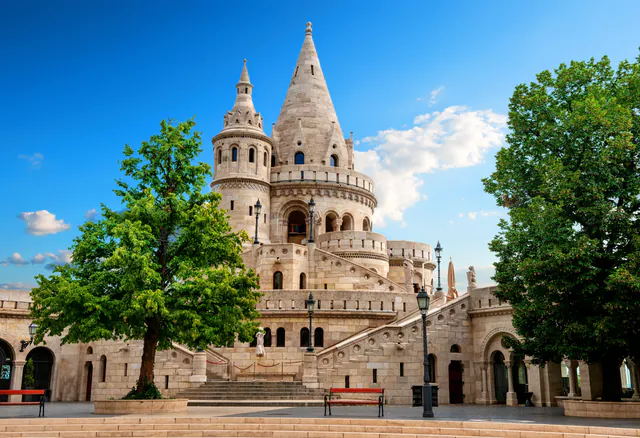
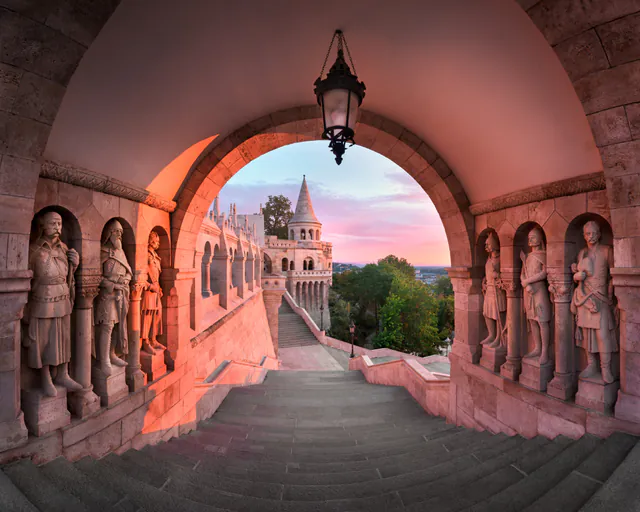
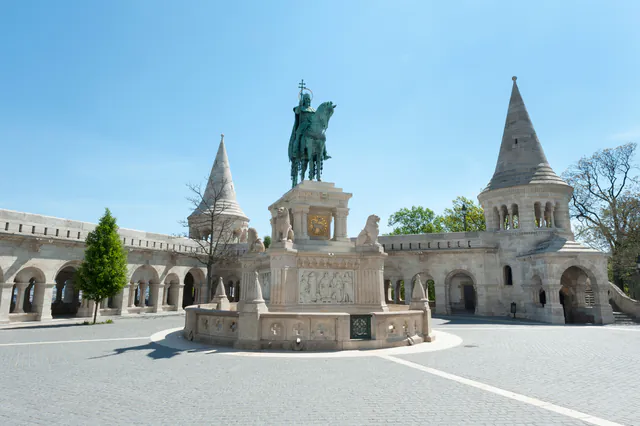
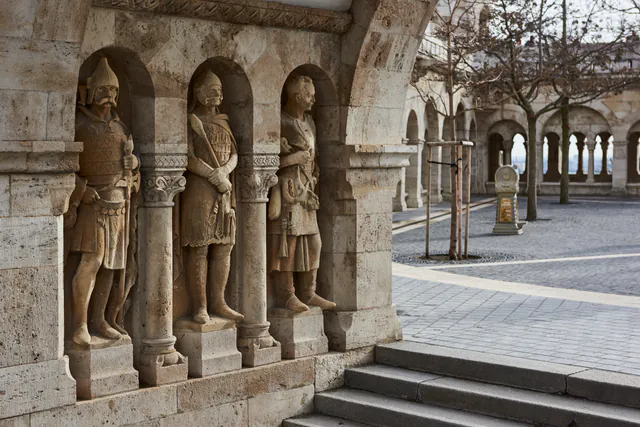
This is Neo-Romanesque design at its most theatrical. Frigyes Schulek built it to match the restoration of the budapest fisherman's bastion church (Matthias Church) just steps away. The white limestone glows even when the Hungarian sky turns grey. Look at the seven conical towers. They mimic the nomadic tents of the original Magyar tribes. In the center of the courtyard, you'll see the bronze equestrian statue of St. Stephen. He stands on a pedestal carved with scenes from his life as Hungary's first king. Unlike a real fortress, this wall is full of wide windows and open loggias. It's an invitation to look out. The double staircase rising from the Víziváros district features statues of 10th-century soldiers standing guard at the gate.
The Panorama

The bastion exists for the view. It's one of the best urban overlooks in Europe. Because it sits on the Buda crest, you get a straight shot of the Hungarian Parliament Building. You're close enough to see the Gothic spires but high enough to see how the river flows around it. Look past the Chain Bridge to find St. Stephen’s Basilica rising over the flat rooftops of Pest. On a clear morning, you can see all the way to the Gödöllő hills. The experience shifts with the calendar. Summer brings a river full of boats and green trees. Winter adds a layer of fog and frost to the stone arches. Each arch acts as a natural picture frame for the landmarks below.
Photography Guide
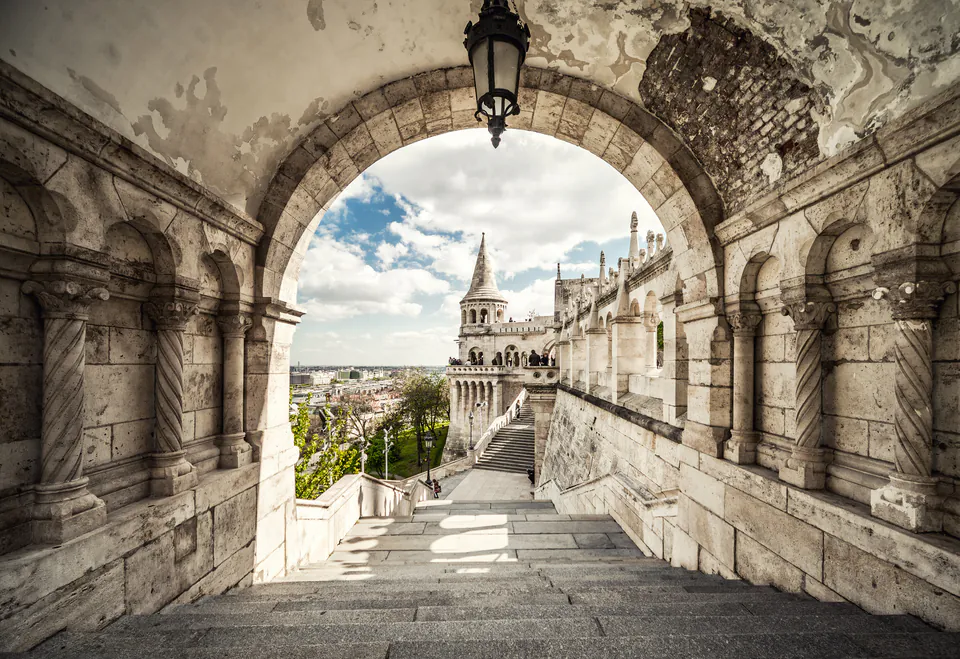
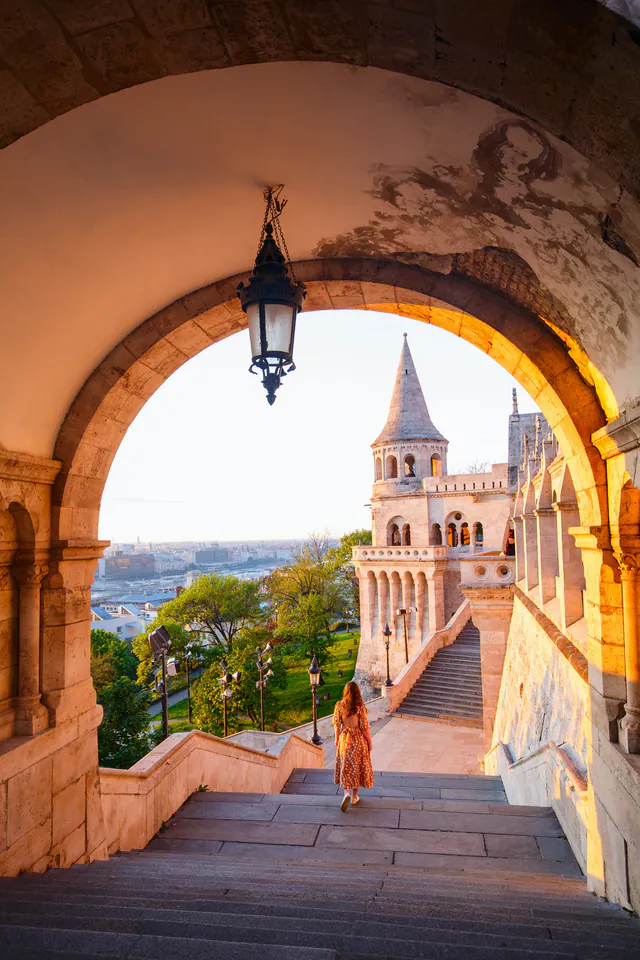
Bring your camera early. The best shot uses the upper arcade arches to frame the Parliament building. To get it without a crowd of tourists, arrive within 30 minutes of sunrise. The morning light hits the Parliament facade directly. At sunset, the building falls into shadow. Use a wide-angle lens on the main staircase to capture the leading lines of the stone. Turn around to face Matthias Church for an elevated view of those colorful Zsolnay roof tiles. For portraits, stick to the lower terrace balconies. Night shots are just as good. The warm yellow floodlights on the bastion pop against a deep blue twilight sky. Watch your step on the narrow walkways if you use a tripod.
Tours & Experiences Nearby
Top-rated tours and experiences starting near Fisherman's Bastion.
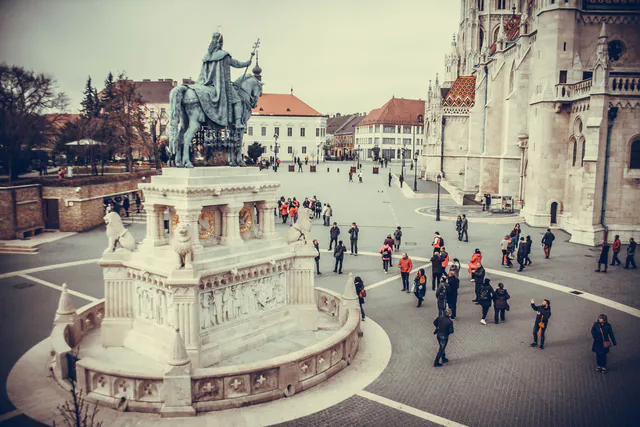 walking tour
 walking tour
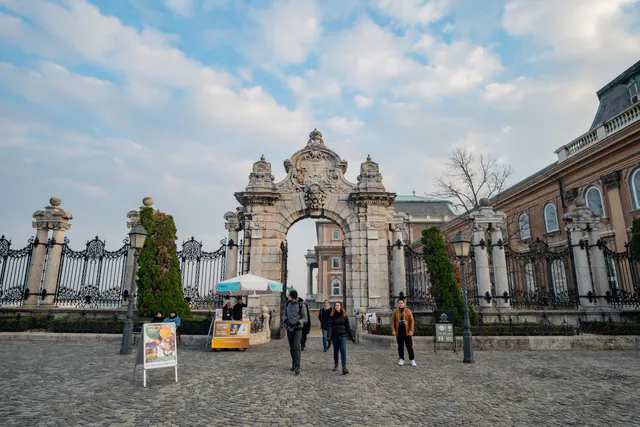 walking tour
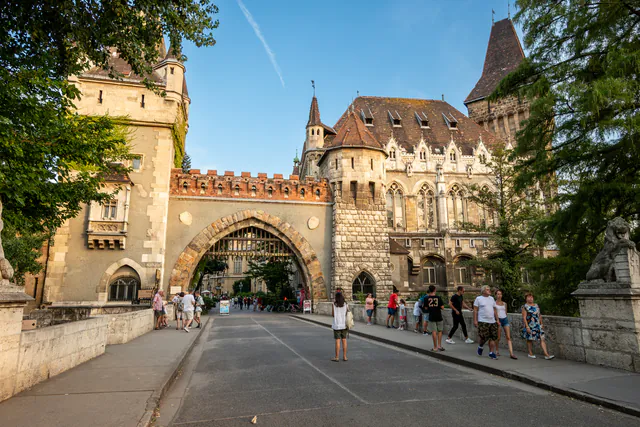 walking tour
Essential Visitor Tips
Sunrise beats sunset. The bastion faces east, so the sun climbs right behind Parliament. Arrive at dawn for the best light and zero crowds.
Find the hidden chapel. There's a medieval St. Michael Chapel tucked beneath the stone. Most people walk right past the entrance without noticing it.
Save your forints. The lower balconies offer almost the same view for free. Only buy budapest fisherman's bastion tickets if you need that specific higher angle.
Grab a table. The fisherman's bastion restaurant budapest takes up part of the terrace. It's expensive, but a coffee here buys you a seat and a world-class view.
Check the winter schedule. Stairs get icy, but the snow makes the towers look incredible. Plus, the upper decks are often free to enter from October through December.
Best Time to Visit
"The best time to visit fisherman's bastion is at dawn for the quietest atmosphere, or after dark to see the city lights."
Nearby Hotels

2 min walk (167m)
Located in a restored 15th-century merchant house · Private inner courtyard garden for dining and relaxation
Price From €145/night
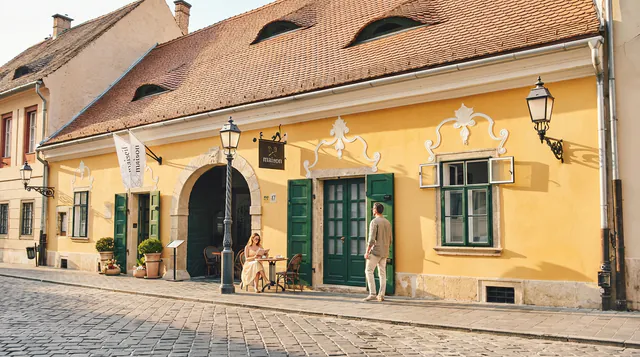
3 min walk (231m)
Housed in the 15th-century 'Spiegel House' with original Baroque facade · Historic subterranean wine cellar carved into the Castle Hill cave system
Price From €160/night

4 min walk (289m)
Incorporates the restored ruins of a 13th-century Dominican monastery · Direct panoramic views of the Hungarian Parliament and Danube River
Price From €210/night
Nearby Restaurants
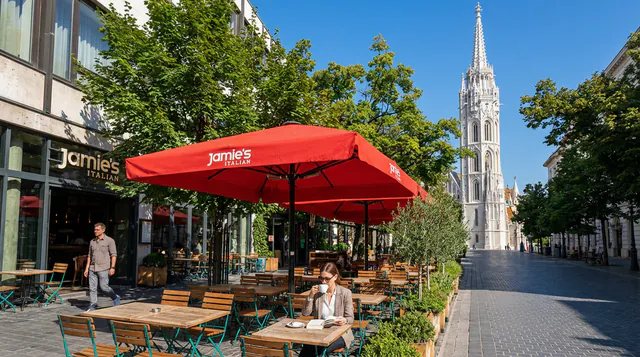
Jamie Oliver's Italian Buda Castle
Italian Casual • Moderate
Drop the overpriced tourist menus. Jamie Oliver’s Italian sits on the cobbleston...

Pest-Buda Bistro
Hungarian Bistro • Upscale
Forget foam and molecular tricks. Pest-Buda Bistro is where you go for the kind ...
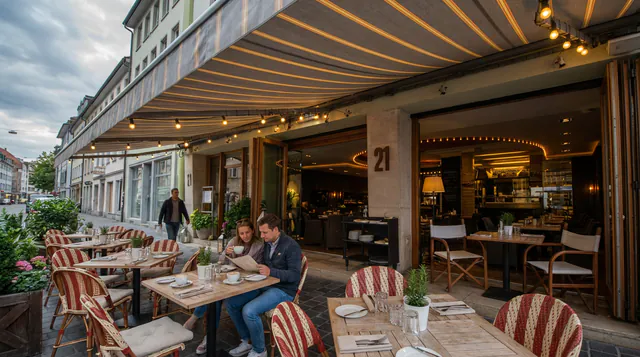
21 Hungarian Kitchen
Hungarian Bistro • Upscale
Perched on Castle Hill, 21 Hungarian Kitchen is the antidote to the tourist trap...
Frequently Asked Questions
How do I get to Fisherman's Bastion from the city center?
What is the history behind the name Fisherman's Bastion?
What do the seven towers of Fisherman's Bastion represent?
Where is the best spot for photos at Fisherman's Bastion?
Are there good places to eat near Fisherman's Bastion?
What other attractions are near Fisherman's Bastion?
What should I wear when visiting Fisherman's Bastion?
Is Fisherman's Bastion worth visiting at night?
What are the opening hours of Fisherman's Bastion?
How much does it cost to visit Fisherman's Bastion?
How long should I spend at Fisherman's Bastion?
Is Fisherman's Bastion wheelchair accessible?
Quick Facts
Find Hotels Nearby
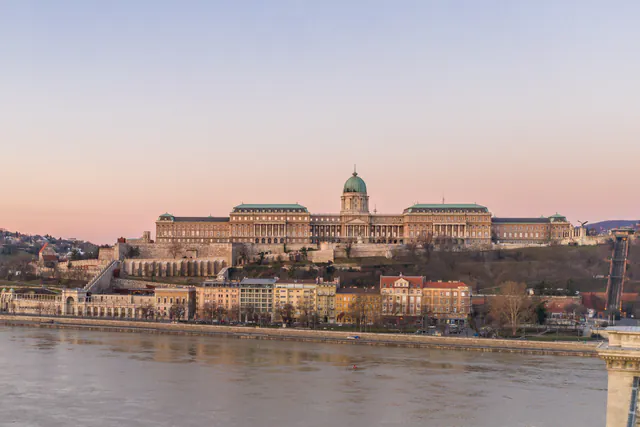
The Neighborhood
District I: Várnegyed
Read Guide